Showing posts with label از دیگران. Show all posts

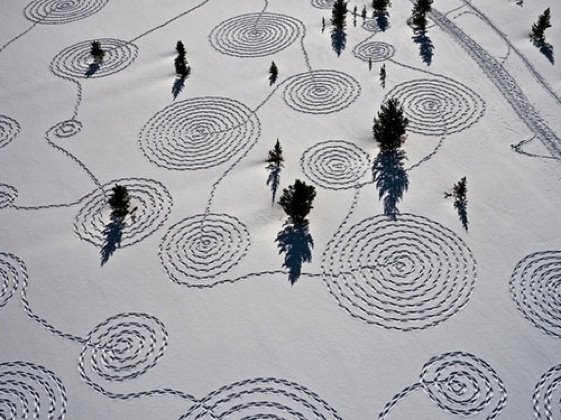
Sonja Hinrichsen


Sonja Hinrichsen Walks in Circles to Create These Snow Drawings in Colorado


سوی تاریک جاودانگی


تصور كنيد كه زندگی پايانی نداشته باشد.
ساكنين هر شهری، به طور غريبی دو قسمت شده‌اند: "بعدتر"ها و "بی درنگ"ها.

"بعدتر"ها عقيده دارند كه احتياج نيست برای ادامه تحصيل در دانشگاه يا برای ياد گرفتن يك زبان ديگر، يا خواندن آثار ولتر يا فهميدن فرضيه‌های نيوتن، يا سعی برای پيشرفت، يا برای عاشق شدن، يا برای تشكيل خانواده عجله كرد. برای اين كارها، زمان بی پاياني در اختيار دارند. در يك زمان بیكران، همه چيز انجام‌ شدنی است، پس انتظار هر چيز را می توان كشيد. وانگهی عجله منتهی به اشتباه میشود. و چه كسی می تواند منطق آن‌ها را رد كند؟ خيلی ساده می توان "بعدتر"ها را در مغازه‌ها يا در گردشگاه‌ها شناخت. راحت راه می روند و لباس‌های نرم می پوشند. از خواندن هر مجله باز شده‌ای لذت می برند، خوششان می آيد كه جای مبل و صندليشان را عوض كنند، هم‌چون برگی كه از درخت می افتد، وارد بحث‌ها می شوند. "بعدتر"ها در كافه‌ها مي‌نشينند و از امكانات زندگی صحبت می كنند.

... "بی درنگ"ها بر اين اصل هستند كه در يك زندگی بی پايان می توانند هر چيزی را كه به تصورشان می آيد به انجام برسانند. به تعداد بی پايانی از موفقيت‌ها دست خواهند يافت. دفعات بی پاياني ازدواج خواهند كرد، به دفعات بی پايانی عقيده سياسی عوض خواهند كرد. هركسی وكيل، بنا، نويسنده، حسابدار، نقاش، پزشك و كشاورز خواهد شد. "بی درنگ"ها مرتب مشغول خواندن كتاب جديدی هستند. شغل تازه و زبان‌های تازه ياد می گيرند. برای دست يافتن به امكانات بی پايان زندگی، زود شروع مي‌كنند و هرگز آهسته كار نمی كنند. و چه كسی می تواند منطق آن‌ها را رد كند؟ به "بی درنگ"ها به راحتی می توان دست يافت. آن‌ها صاحب كافه، استاد، پزشك و پرستار يا سياستمدار هستند. اينها كسانی هستند كه وقتی نشسته‌اند، مرتب پاهايشان را تكان می دهند.

مجموعه‌ای از زندگانی را پشت سر می گذارند و حرص می زنند كه هيچ‌چيز را از دست ندهند. وقتی "بی درنگ"ها، به‌طور اتفاقی همديگر را كنار ستون‌های لوزی شكل آب‌نمای "زاهرينگر" می بينند، موفقيت‌های زندگيشان را با هم مقايسه می كنند. اطلاعاتشان را رد و بدل می كنند و نگاهي به ساعتشان می اندازند. وقتی دو "بعدتر" در همان‌جا با هم ملاقات مي‌كنند، در حال نگاه كردن به موج‌های آب به آينده می انديشند.

"بي‌درنگ"ها و "بعدتر"ها وجه مشتركي دارند. از يك زندگي بی پايان، تعداد بی پاياني خانواده بوجود می آيد. پدربزرگ‌ها هيچ‌وقت نمی ميرند، پدر پدربزرگ‌ها، عمه بزرگ‌ها و دايی بزرگ‌ها و بقيه همين‌طور در اين سلسله راست بالا می روند. همه زنده هستند و نصيحت می كنند. پسر هيچوقت از سايه پدرش بيرون نمی آيد، دخترها هم همين حالت را با مادرشان دارند. هيچ‌كس نمی تواند خودش باشد.

وقتی مردی می خواهد كاری را شروع كند، مجبور است با پدر و مادرش، پدربزرگش و مادربزرگش، پدر پدربزرگ، مادر مادربزرگش صحبت كند، همين‌طور تا بی انتها، تا بتواند از اشتباهاتشان درس بگيرد. برای اين كه هيچ اقدامی واقعا تازه نيست. همه چيز را قبلا يكی از نياكان در رده نسب‌ها به عهده گرفته است. در حقيقت، همه چيز انجام شده است. در ازايش بهايی بايد پرداخت. زيرا در چنين دنيايی، از قيد و بند موفقيت‌ها به خاطر جاه‌طلبی كم، كاسته شده است.

وقتي دختری با مادرش مشورت می كند، جوابی كه می گيرد نسبی است برای اين كه مادرش هم با مادر خودش مشورت می كند، اين مادر باز با مادرش و همين‌طور تا بی نهايت، از آن‌جا كه دخترها و پسرها نمی توانند خودشان تصميمی بگيرند، از پدرها و مادرها هم نمي‌توان انتظار اندرز قابل اطمينانی داشت. پس پدر و مادرها سرچشمه اعتماد و ثبات نيستند. ميليون‌ها سرچشمه وجود دارد.

وقتي هر كاری بايد ميليون‌ها بار بررسي شود، زندگي قابل اطمينان نيست. پل‌ها تا نيمه راه روی رودها زده و ناگهان قطع مي‌شوند. ساختمان‌ها تا نه طبقه بالا می روند ولی سقف ندارند. در يك خواربارفروشی، ذخاير زنجبيل، نمك، ماهی و گوشت گاو، با هر تصميم جديد، و با هر مشاوره‌ای عوض می شود. جملات در حالت ترديد باقی می مانند. نامزدی ها فقط چند روز پيش از ازدواج به هم‌ می خورند. در كوچه‌ها و خيابان‌ها، مردم سرشان را برمی گردانند تا ببينند آيا كسی مراقبشان نيست.

اين تاوان جاودانی بودن است. هيچ‌كسی كامل نيست، هيچ‌كس آزاد نيست. با گذشت زمان بعضی ها بر اين تصميم بوده‌اند كه تنها راه زندگی كردن مردن است، برای اين كه مرگ انسان را از فشار گذشته رهايی مي‌بخشد. اين تعداد معدود از موجودات زير نگاه خانواده، در درياچه "كنستاس" فرو می روند يا از بالای كوتاه "مون‌لما" خود را پايين می اندازند برای اين كه به زندگی بی پايان‌شان خاتمه دهند. بدين‌ترتيب نيستی بر بی پايانی پيروز شده است، ميليون‌ها پاييز در برابر فقدان پاييز تسليم گشته‌اند، ميليون‌ها ريزش برف در برابر فقدان ريزش برف، ميليون‌ها نصيحت در
برابر فقدان نصيحت...!

آرزوهای انيشتن / آلن لايتمن/ مترجم: مهتاب مظلومان


Work for free

Should I work for free?
by Jessica Hische 2011
www.shouldiworkforfree.com


Pop Chart Lab

 A VISUAL COMPENDIUM OF NOTABLE HAIRCUTS IN POPULAR MUSIC 
GRAND TAXONOMY OF RAP NAMES 


for more posters and details please see  :  pop chart lab


.

Kowloon Walled City

By Kelly Minner 

Courtesy of Zoohaus
Now this is dense.  Kowloon Walled City, a Chinese settlement in Hong Kong was at one time thought to be the most dense place on the planet.  A Japanese team was able to document the city in section before it was disassembled in 1993.


© Ian Lambot

Courtesy of Zoohaus
© Ian Lambot

from : Archdaily 


101 in Architecture

101 Things I Didn’t Learn in Architecture School

From Archdaily
By Guy Horton 

This article is co-authored by Sherin Wing
1] Even if your boss is your friend he may have to axe you to save his business.
2] Read the book, On Bullshit, by Harry G. Frankfurt. Carry it with you. It’s pocket-sized.
3] Do not drink at work and especially do not get toasted around your colleagues under any circumstances.
4] No matter how highly you may think of yourself you may still be a minion in the eyes of others who hold more power than you.
5] Once you leave architecture school not everybody cares about architecture or wants to talk about it.
6] All eating habits and diets acquired during school should be jettisoned.
7] The hygiene habits you kept in architecture school are inappropriate for real life; bathe regularly and change your underwear.
8] The rush and exhilaration you experience in studio may be inversely proportional to how much you will enjoy working for a firm.
9] It’s architecture, not medicine. You can take a break and no one will die.
10] Significant others are more important than architecture; they are the ones who will pull you through in the end. See 49.
Keep reading after the break.
11] Being smart and having advanced degrees can make you a better designer.
12] The industry underpays. Push for what you are worth.
13] Mind your internet traffic at work unless you are certain your office does not have someone monitoring. Of course you should be working every minute, so this goes without saying.
14] Go home to your family.
15] Call your loved one’s frequently.
16] If you are working overtime, the firm buys dinner.*
*Contingent on office policies, of course.
17] Don’t keep a mayline screwed to your desk. They are not cool and they date you. The same goes for colored pencils.
18] Get the biggest monitor you can.
19] Do not, however, ask for two monitors. Even though it makes you look like a bad-ass you will be expected to do twice the amount of work.
20] Make sure team roles are clearly defined.
21] Know what your role is.
22] Be careful with emails. If in doubt, don’t send.
23] At times respect and civility seem to be scarce commodities in architecture.
24] Be cautious of “opportunities” that do not pay.
25] Sometimes the most critical person on your jury might actually be right.
26] Understand how your office is run as a business and how they go after projects.
27] It is best to keep your outside activities quiet.
28] Your boss reads your blog.
29] Pyromania, car soccer, and other antics you made up to amuse yourself at 3 am are not actually normal. See 49.
30] There are no architectural emergencies that should make you completely give up your life on the outside. That may have been the ethos in studio, but don’t carry it into the office.
31] Be suspicious if your firm expects you to work long hours of overtime for no compensation. Be doubly suspicious if they justify it by saying things like, “It’s just part of the learning curve” or “We had to go through this, too.”
32] If a police officer pulls you over on the freeway for doing 90 mph on a Sunday morning while heading into the office, it’s time to re-evaluate your priorities.
33] Know who the decision-makers are.
34] Don’t dress like an intern. See 72.
35] Read Dana Cuff’s Architecture: The Story of Practice.
36] Expect to be regarded with suspicion if your undergraduate degree is not in architecture.
37] Don’t be seduced by mere appearances.
38] If your firm is outsourcing work to save money, be concerned.
39] Architecture firms can have multiple glass ceilings. Be aware of them all.
40] If a principal of a firm sees making coffee or moving boxes as beneath him/her, consider looking for another office.
41] If a principal doesn’t say good morning when you say good morning to him/her, consider looking for another office.
42] When firms advertise themselves as think tanks or research labs, ask them specifically what it is that they do. And most importantly, make sure they pay. Well.
43] If you are invited to be on a jury, don’t trash the student just to make yourself look good or to contradict a rival on the jury. Be constructive and try to help the student. This is the point.
44] Subvert the signature of the software, unless you consciously want the architecture to convey this signature.
45] Architects are in a service industry. They provide services to clients.
46] In proportion to their pay, architects require the most education, most training, and the most exams to become licensed professionals.
47] Don’t be a Typhoid Mary. When sick, stay home.
48] Embrace the business-side of architecture.
49] If you are an architect you should automatically qualify for psychotherapy and medication.
50] Most architects believe they were destined to become architects because of their early childhood experiences. They showed signs of architectural greatness at a very young age. This is a myth that reinforces an unhealthy hero complex. See 49.
51] Architecture in the academy is completely removed from the profession. Likewise, the values within the academy are radically different from the values within a firm.
52] Be cautious about applying theory to space.
53] Do not take design strategies or operations learned in studio too seriously.
54] Know the difference between architectural celebrity and actual worth.
55] Read books with words, not just pictures.
56] All firms are different. Shop.
57] To save time, assume your wife is right.
58] Do not date an architect unless you are certain he/she is able to maintain a healthy life outside of architecture. See 49.
59] Architects should not intermarry. Inbreeding is not good for the gene pool. See 49.
60] If you are married when you go to architecture school, studio ends at 7:00.
61] Do not buy into the fashion of the moment and simply dismiss certain architects without examining them for yourself.
62] Architects who do not build things also have important things to say and should be listened to.
63] If your studio instructor is a recent graduate, be alarmed.
64] Do not obsess about sustainability to the exclusion of other factors.
65] Renderings done in China are so last year.
66] If you start a think tank make sure you have some thoughts to put in it.
67] Read Rem Koolhaas, but do not obsess and fantasize about being him. Delirious New York is still relevant.
68] Archi-babble does not make you sound cool.
69] Keep in touch with everyone you know, especially if they aren’t in architecture.
70] In fact, make friends who are not architects.
71] Do not wear the same shoes every day, They will start to smell.
72] Make sure your jeans are up-to-date. No acid-wash. No baggy.
73] The economically distressed urban zones you can afford while in school are not gentrified just because you and your friends have moved in.
74] If you must read Italo Calvino, read more than just Invisible Cities.
75] Expect a period of post-traumatic stress disorder after you graduate. Do not make any important decisions during this time.
76] Don’t get a dog just because you are lonely.
77] Architecture is fueled by fetishes—rectilinear designer eyewear, for instance.
78] When trying to decide if a theory book is good, check the bibliography first.
79] Listen to your elders. They are wise.
80] FAIA can mean different things to different people.
81] If you already have a B.Arch, consider further education in a different field. Your M.Arch. can’t make a real contribution to the field if you’re just showing off software skills.
82] Always back up your hard drive.
83] Embrace social media, but don’t be its bitch. Only tweet/post when you have something important to say.
84] Architecture firms should consider forming economic alliances similar to OPEC.
85] Even if you don’t like the look of someone’s architecture they may have something valuable to teach you.
86] Great architecture, like great art, tends to arise from deep psychological issues. See 49.
87] The eighties and postmodernism were not all bad.
88] Being avant-garde is a choice that should be evaluated.
89] Architect’s web pages are often out of control and take too long to load.
90] In one’s life there are a finite number of all-nighters one can pull. You probably used them all up in school.
91] Understand the contexts from which modernism arose.
92] When the economy is good architects can rely on experience to run firms, but when the economy is bad they need advanced business skills they may not possess.
93] Architecture is dependent on boom and bust cycles.
94] Good design is not necessarily the most important factor in running a successful architecture firm.
95] Branding is important.
96] In a corporate firm, those at the top are not necessarily the best but they may have been there the longest.
97] Being good at software does not make you a good architect.
98] Architecture is cliquish.
99] Many architects do not live in houses designed by themselves or other architects.
100] Architecture office parking lots communicate success. There should be at least a couple high-end luxury cars. If there are a lot of beaters, be wary. If all cars are beaters, don’t go in.
101] Be concerned when you are too idle at work.

تهران بی تاریخ


.  عکس‌های مهران مهاجر با عنوان “تهران، بی تاریخ” که با یک دوربین پین‌هول عکاسی شده را در هفتمین شماره‌ی ماه‌نامه‌ی اینترنتی دیده ببینید


dazzle


Coudal (I think) linked to this the other day. It’s a collection of designs for dazzle camouflage applied to ships during the First and Second World War to confuse the silhouette of the ship and make it less likely to be targetted by enemy subs. I got a few silhouette images (from this rather odd and boastful page) and put them next to some of the designs, and you can see why the technique gained a lot of support. The designs would at least make it hard to identify what kind of ship it is, which might help if everyone did it…

So yes, that raises the question of effectiveness. I imagine in full sun it would be quite good - literally dazzling the eye, but in an overcast, at dawn or dusk, the ship would still be silhouetted quite clearly against the sky. So what were the results? From the site:

Did it work? Dazzle and the convoy system were implemented about the same time, so it is hard to say. However, crews on dazzle ships were very proud of the bedazzled camouflage. It was definitely a morale booster. The British and the Americans fully adopted dazzle because at the time they found it to be effective and inexpensive.RISD

Tests should be done! Still, however well they worked, they’re pretty fabulous. More ships should be painted like this, just, you know, because.


Annoyingly, the RISD only has these tiny images, and I can’t find anywhere to buy prints either. There is, however, a poster from Transport for London advertising the Imperial War Museum that shows an illustration of a freshly bedazzled warship, here.

Source : http://ministryoftype.co.uk/words/article/dazzle/


drawer

arsvitaest:   Roy McMakin, Untitled (Seven-drawer Chest in Green), enamel paint on eastern maple, 1998“Roy McMakin is a designer, architect, and furniture maker, and his art,   which draws on his knowledge of and experience in these disciplines,   demonstrates a deep engagement with the artistic potential of domestic   objects and environments.” Matthew Marks Gallery

arsvitaest:

Roy McMakin, Untitled (Seven-drawer Chest in Green), enamel paint on eastern maple, 1998

“Roy McMakin is a designer, architect, and furniture maker, and his art, which draws on his knowledge of and experience in these disciplines, demonstrates a deep engagement with the artistic potential of domestic objects and environments.”

Matthew Marks Gallery


کوچ

آدم بد


در دنیا دو جور آدم وجود داره: آدمهای خوب و بد.
آدمای خوب شبا خیلی خوب می‌خوابن؛
اما آدمای بد ... می‌دونن كه از ساعات شب استفاده‌های بهتری هم می‌شه كرد
وودی آلن


نفع شخصی


دو نفر را به خاطر دزدی از بانک پس‌انداز دستگیر کرده و در سلول‌های انفرادی جدای از هم نگه داشته‌اند. هر دو نفر به آزادی شخصی خود بیش از رفاه حال همدست خویش اهمیت می‌دهند. یک بازجوی باهوش پیشنهاد زیر را به هر کدام می‌کند. «تو یا اعتراف کرده یا سکوت می‌کنی. اگر اعتراف کنی و همدستت سکوت اختیار کند من همه اتهامات را متوجه وی کرده و از شهادت تو جهت اینکه همدستت جرم اصلی را مرتکب شده است استفاده می‌کنم و آزاد می‌شوی. برعکس اگر همدستت اعتراف کند و تو سکوت کنی او آزاد خواهد شد، در حالی که تو محبوس می‌شوی.
اگر هر دو اعتراف کنید من دو محکوم خواهم داشت، اما کاری می‌کنم که هر دو زودتر از زندان آزاد شوید. اگر هر دو سکوت کنید من مجبورم تو را فقط به خاطر اتهام حمل اسلحه گرم مجازات کنم. اگر قصد اعتراف‌کردن داشتی باید تا قبل از اینکه فردا صبح برمی‌گردم یک یادداشت به زندان‌بان بدهی.»
«معضلی» که این دو زندانی در این‌جا مواجه هستند این است که نفر دیگر هر کاری بکند وضعیت هر کدام با اعتراف‌کردن، بهتر از سکوت‌کردن خواهد بود. اما نتیجه‌ای که از اعتراف‌کردن هر دو به دست می‌آید بدتر از حالتی است که هر دو تا ساکت بمانند. نگاه مشترک به قضیه این است که معما بیانگر تضاد بین عقلانیت فردی و گروهی است. یک گروه که اعضای آن نفع شخصی عقلانی را پیگیری می‌کنند همگی وضعیت بدتری پیدا می‌کنند نسبت به گروهی که اعضای آن بر خلاف نفع شخصی عقلانی رفتار می‌کنند

این داستان و ارتباط ان با علم اقتصاد را می توانید در روزنامه دنیای اقتصاد امروز یا در اینجا بخوانید


largest


According to BD World architecture's January issue Nikken Sekkei is the world largest architectural practice. Gensler comes in second, HOK third, Aedas fourth and SOM fifth.

Honestly, these practices are largely unknown in continental Europe!

Only a few offices make good money with architecture - big corporate architects hardly exist: in last years analysis of the German office structure 81% of architectural practices haven't got more than four (!) employees.

However, the demands on architects are rising: design and manage - architects have to offer the complete package. Unfortunately design work is mostly underpaid (see the Myth of Competitions) - clients pay architects for providing construction documents, project documentation, cost controlling, tender documents, etc.

Are small practices still able to handle this?

فصل مناسب


اگر منتظر فصل مناسب بمانی، هیچ محصولی برداشت نخواهی کرد


گاندی


Milan 2010


Milan 2010: French architect Jean Nouvel presents an office wall system for Italian brand Methis at Superstudio Più in Zona Tortona.

Called Hook, the system comprises metal strips with hidden joints.

Shelves and containers can be hung from gaps between the strips.

The information below is from Methis:


Jean Nouvel

“Creating architecture,” affirms Jean Nouvel, “means imbuing personal’s creation, be it a building, a piece of furniture or a garden, with the values of one’s own culture and civilization.” When he designs an object or a piece of furniture, the architect first thinks about functionality and about achieving an “elementary design” that corresponds to the essence of things.

Being part of his time, he uses contemporary techniques that testify to the period to which he belongs. It was true to this philosophy that the hook wall was designed for methis.

With Jean Nouvel’s hook, the partition becomes a continuous wall, while the wall turns into a complete device with infinite potential that can be outfitted with a comprehensive range of accessories all designed to make the contemporary office more comfortable. An efficient, safe and environmentally sustainable building system. The methis values.

DESIGN. A wall formed by a “continuous sort of corrugated skin” that does away with both vertical and horizontal joints

INNOVATION. hook differs from the conventional, passive performance provided by a wall as it can become a highly functional furnishing element for storing, filing, exhibiting, communicating and supporting

SUSTAINABILITY. A wall that’s totally made of recycled and recyclable materials

ACOUSTICS. Excellent sound-insulation and sound-absorption performance

WELL-BEING. Ideal for controlling the microclimatic temperature and humidity conditions of the air SAFETY. Excellent results when it comes to the fire reaction and resistance classification

SAFETY. Excellent results when it comes to the fire reaction and resistance classification

“Metal architecture, like a quotation from Jean Prouvé’s creations. Rather than a partition, more like a true, uninterrupted building system where the joints are concealed behind the metal folds. Just like paper, its regularly perforated, lacquered and corrugated skin becomes a wall.” J. N.


from Dezeen


milan 2010


Birkolor in Milan 2010
by freshhome

انسان‌شناسی فضای خانگی

اندیشیدن، عملی است که در بسیاری از تعاریف، به عنوان نقطه آغازین جدا شدن انسان از حیوان معرفی می‌شود حال آنکه برای اندیشیدن باید "حضور" داشت و حضور داشتن، یعنی بودن در "جایی". این مفهومی است که بسیاری از اندیشمندان و خصوصا پدیدارشناسان به آن پرداخته‌اند.

"ما نمی‌توانیم به انسان‌ها فکر کنیم بدون اینکه آنها را به عنوان موضوعاتی که در جهان جای گرفته‌اند درنظر بگیریم." این عبارت که از هایدگر نقل شده، ساید بتواند شروع مناسبی برای بحث ما باشد.
جا، مکان، محل، منطقه، فضا و هر واژه مترادف دیگری با این مفاهیم همگی علی‌رغم تفاوت‌های قراردادی‌ای که با هم دارند به یک معنای نسبتا مشترک نیز اشاره دارند و آن، ظرفی است که «بودن» ما در آن امکان‌پذیر شده است. "فضا" از مهم ترین و پایه‌ای ترین مفاهیمی است که انسان از دیرباز به آن فکر کرده‌ و همواره مورد مناقشه اندیشمندان مختلفی بوده و هست. فضای خانگی، یکی از حوزه‌های نسبتا جدید انسان‌شناسی است که خانه را از قدیمی‌ترین و مهمترین دستاوردهای مادی بشر می‌داند؛ جایی که منشا بسیاری از تجربه‌های تلخ و شیرین انسانی است، محل اولین تجربه‌هایی همچون «نفرت» ، «اشتیاق» «عشق» یا «پرخاشگری». درحقیقت خانه، محل حضور دوگانه‌های بسیاری است: استراحت/ جنب و جوش، قدسی/ ناثدسی، قلب/ مغز، رفتن/ آمدن و... عرصه‌ای برای کشمکش‌های مختلف جنسیتی، طبقاتی، سیاسی، مذهبی و درنهایت، جایی که پایه‌های شخصیت و هویت افراد در آن شکل می‌گیرد.
به نظر می‌رسد که مطرح کردن این مباحث تحت عنوان حوزه‌ای مجزا، بیشتر واکنشی به کم‌توجهی انسان‌شناسان معاصر به فضاهای درونی و خانگی باشد چنانکه در مقدمه کتاب "در خانه؛ یک انسان‌شناسی فضای خانگی" – At Home, An Anthropology Of Domestic Space- به این مسئله اشاره می‌شود. این کتاب، یکی از آثار مکتوب در زمینه انسان‌شناسی فضای خانگی است که از مجموعه‌ای مقاله با محوریت این موضوع تشکیل شده است. تاریخ انتشار ویرایش اول آن به 1999 بازمی‌گردد و دومین ویرایش آن نیز مربوط به سال 2006 است. در مقدمه آن آمده که گرچه ما بخش زیادی از زندگی‌مان را در خانه صرف می‌کنیم، ارتباطات عاطفی اولیه ما در خانه شکل می‌گیرد و جامعه‌پذیری ما از آنجا شروع می‌شود بااین‌حال، مطالعاتی که بر فضاهای عمومی انجام می‌شود به مراتب بیشتر از مطالعات بر فضای خانگی است. همچنین Irene Cieraad، گردآورنده مقالات این کتاب، در بخش دیگری از مقدمه، به این مسئله اشاره می‌کند که حتی همین پژوهش‌های محدود بر فضای خانگی نیز اغلب توسط روان‌شناسان محیط یا کارشناسان مطالعات فرهنگی و جامعه‌شناسی صورت می‌گیرد که رویکردهایی متفاوت از انسان‌شناسی دارند. عموما خانه از نظر آنها بخشی از سبک زندگی، محلی برای مصرف و نیز شاخصی برای تعیین طبقه اجتماعی است. نویسنده همچنین از غیبت یک رویکرد انسان‌شناسانه به فضای خانگی گلایه کرده و آنرا مغایر با سنت‌های تحقیقاتی تثبیت شده در علم انسان‌شناسی می‌داند. او یادآوری می‌کند که بررسی خانه‌های قبیله‌ای و تفسیر نشانه‌شناختی آنها از جهت ارتباطشان با سلسله مراتب اجتماعی، تمایزات جنسیتی و نیز کیهان‌شناسی آن قوم، از مهمترین علاقمندی‌های همیشگی انسان‌شناسان بوده است. در بین معدود کارهایی که توسط معاصران در زمینه خانه انجام شده می‌توان به مطالعه پیر بوردیو در بر خانه‌های قبیله‌ای در الجزایر اشاره کرد. بوردیو در این پژوهش، دو بخش اساسی را در فضای خانگی این قبیله تشخیص می‌دهد: نیمه پایینی خانه که تاریک، شیب‌دار و مرطوب است و مکانی برای فعالیت‌های طبیعی انسان: تولد، رابطه جنسی، خواب و مرگ محسوب می‌شود. این مکان، فضایی زنانه است و در مجاورت محل نگهداری حیوانات قرار دارد و نیمه بالایی خانه که مکانی دارای نور و آتش است و از میهمانان در آنجا پذیرایی می‌شود. این مکان عموما فضای مردانه خانه است. بدین‌ترتیب او دوگانه‌های بالا/ پایین، روشن/ تاریک و نیز متمدن/ طبیعی را در ارتباط با دوگانه مرد/ زن قرار داده و به تفسیر و تحلیل آن می‌پردازد.
این گرایش از انسان‌شناسی معتقد است که فضا و زمان، صرفا ظرف‌هایی برای شکل گرفتن فرآیندهای اجتماعی نیستند بلکه خود آنها را می‌توان به عنوان فرآیندهایی اجتماعی مورد مطالعه قرار داد و در همین ‌راستا، خانه، یکی از مهمترین اشکال سازماندهی اجتماعی فضاست. فضاهای خانگی ما در گذر زمان چه تغییراتی کرده‌اند و چرا؟ درحال حاضر، ما چگونه فضاهای درونی خود را از معرض دید دیگران دور نگه می‌داریم، تا چه حد این کار را انجام می‌دهیم و علت آن چیست؟ چرا در آشپزخانه نمی‌خوابیم یا چرا اطاقی را فقط به خواب اختصاص داده و همین نام را بر رویش قرار می‌دهیم؟ چرا لباس‌های کثیف را در مکان‌هایی قرار می‌دهیم که جلوی دید نباشند یا چه چیزهایی را در معرض دید دیگران قرار می‌دهیم؟ فضای خانه را چه‌طور تفکیک کرده و بین اعضای خانواده تقسیم می‌کنیم؟ برای زیبایی و تزئینات خانه چه تصمیماتی می‌گیریم و منشا آنها چیست؟ این‌ها بخشی از سوالاتی است که انسان‌شناسی فضای خانگی قصد پاسخ دادن به آنها را دارد.
منابع:
- کرنگ، مایک، 1383، جغرافیای فرهنگی، ترجمه مهدی قرخلو، تهران، انتشارات سمت.
- Cieraad, Irene, 2006, At Home, An Anthropology Of Domestic Space, US.


Sumi-e Art